
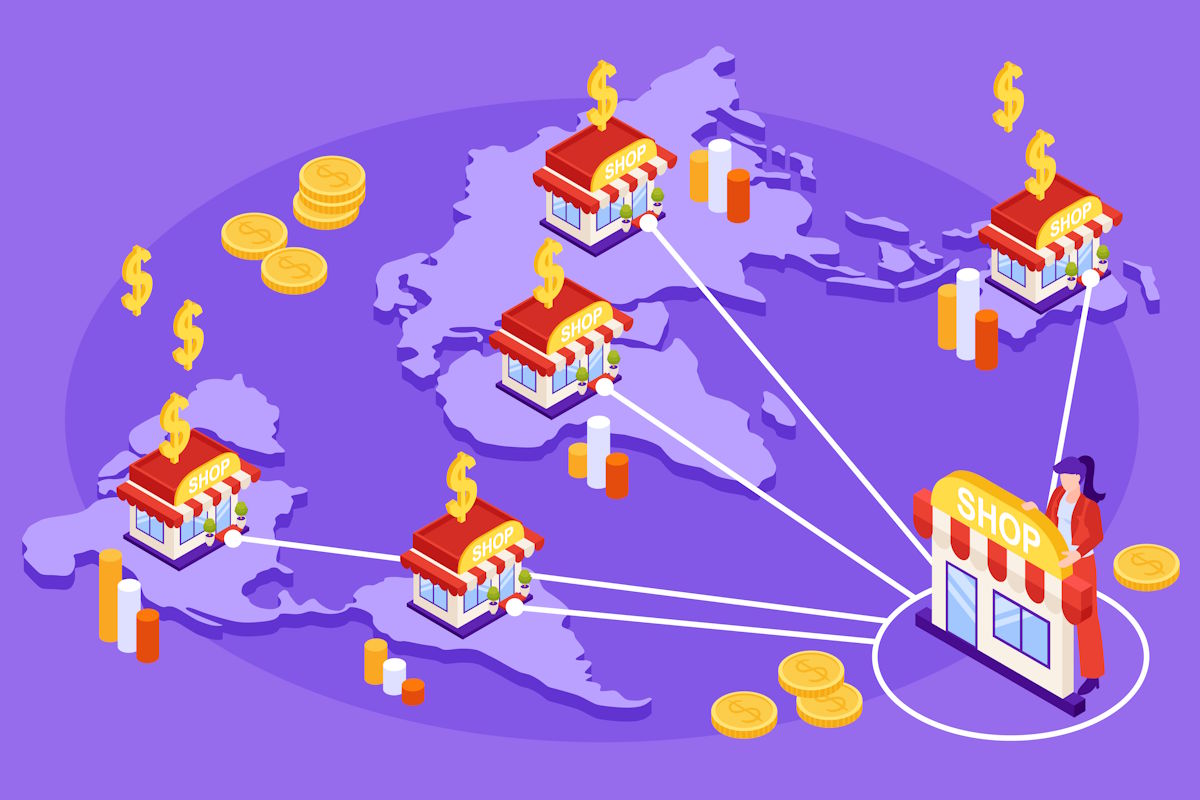
How to Build a Successful Global Master Franchisee Network

Expanding a franchise globally is one of the most effective ways to grow a brand, but doing so successfully requires more than simply finding partners in new markets. Building a global master-franchisee network demands strategic thinking, deep preparation, and careful execution. In this article, we break down the essential steps to create a high-performing global franchise network that drives growth and scale sustainably for years to come.


  1. Define a Clear Global Vision and Structured Model

Before venturing into foreign markets, it’s critical to clarify what success looks like for the brand globally. Define your long-term vision, brand values, and growth goals. Develop a robust master-franchise model: specify territory rights, roles and responsibilities, performance targets, training systems, royalty structure, and reporting mechanisms. A well-documented, replicable model allows each master-franchisee to operate consistently, ensuring the brand’s reputation and service standards are maintained everywhere.


  1. Ensure Brand Readiness and Operational Excellence

Global expansion will expose your brand to different cultures, regulations, and business practices. Before recruiting master-franchisees, conduct internal readiness checks. Ensure that your core operations, supply chain, quality control, customer service, and training systems are mature and scalable. Draft a detailed operations manual, including brand standards, customer experience guidelines, and operational workflows. Solid internal operations give potential master-franchisees confidence in your brand’s ability to support them.


  1. Target the Right Master-Franchise Partners

Your global success hinges on selecting the right partners. Look for master-franchise candidates who:

    • Understand the local market dynamics and consumer behavior.
    • Have strong business infrastructure — real-estate contacts, management teams, local network.
    • Share your brand values and commitment to quality.
    • Possess financial capability and long-term vision, not just short-term profit motives.

Rather than choosing partners solely based on capital, prioritize those with proven local market expertise and alignment with your brand ethos.


  1. Offer Robust Training and Support

Continuous support is the lifeblood of a thriving master franchise network. Develop training programs not only for master franchisees but also for their sub-franchisees. Support can include operational assistance, marketing campaigns, product innovation, and regular performance reviews.

Encourage feedback loops where master franchisees report challenges and market insights. This two-way communication ensures the franchisor remains agile and responsive to local demands and evolving market conditions.


  1. Empower Local Adaptation (Within Brand Guidelines)

While brand consistency is vital, every market is unique, culture, language, regulations, and customer preferences. Allow your master-franchisees enough flexibility to adapt broadly for local relevance, while still adhering to core brand standards. This might mean adjusting menu items, packaging, marketing messages, store layouts, or even pricing strategies. Encouraging local innovation helps the brand resonate with local customers and makes operations smoother for master-franchisees.


  1. Build a Strong Incentive & Growth Structure

Design an incentive system that rewards performance and growth. Offer clear financial incentives, equity participation, exclusive territory rights, milestone bonuses, royalty reductions, or support with expansion financing to encourage aggressive and sustainable growth. Set realistic but ambitious performance metrics: number of units, revenue milestones, brand compliance scores, and customer satisfaction KPIs. A well-structured incentive system aligns your global network toward shared success.


  1. Monitor Performance, Enforce Standards, and Ensure Compliance

Global expansion introduces complexity, different regulatory environments, cultural norms, and business practices. It’s essential to implement rigorous monitoring and compliance systems. Regular audits, mystery shopping, customer feedback loops, and performance reviews help ensure every location maintains brand standards. React quickly to compliance issues, timely support, and remediation builds trust and preserves brand integrity.


  1. Foster a Global Strong Brand Culture

Maintaining a consistent brand culture is crucial as the network expands internationally. While adapting marketing and operations to local tastes, emphasize your brand’s core values, mission, and customer promise.

Invest in periodic global gatherings, virtual meetings, or collaborative platforms where franchisees share successes, challenges, and innovations. This builds community, loyalty, and a shared sense of purpose across borders.


  1. Scale Gradually and Sustainably

Global expansion should be strategic, not hasty. Rather than flooding new markets all at once, roll out region by region. Begin with a few key territories, monitor performance and compliance, refine your support systems, then expand further. This gradual approach ensures that you have the infrastructure and bandwidth to support each new market successfully, laying the foundation for long-term global growth.

Building a successful global master-franchisee network is a demanding endeavor but with the right vision, structure, partners, and support system in place, it can transform a local brand into a global powerhouse. If you’re considering launching or expanding your franchise worldwide, one smart approach is to partner with a specialist platform that helps you connect with qualified global master-franchisee candidates.


For those looking to accelerate their global expansion with a proven recruitment referral program, exploring platforms like Dhumall’s Global Master Franchisee and Franchisee Recruitment Referral Program offers an excellent opportunity. It connects franchisees with trusted global partners while providing comprehensive support in recruitment and network development.


The Future of Automation in Public Companies: Opportunities and Challenges

In the breathless pace of today’s business world, speed and clarity are the ultimate advantages. For leaders of public companies, the difference between a routine update and a market-moving decision often comes down to how quickly they can turn complex data into clear action. Boardrooms, investor calls, and strategic reviews are no longer just about experience—they’re about having the right intelligence at precisely the right moment.

Automation is becoming central to this intelligence, reshaping how public companies operate and compete. This article outlines what automation means for these companies, the benefits it brings, the challenges it presents, and how leaders can harness its potential.

Understanding Automation in Public Companies

Automation uses technology to perform tasks with minimal human input. Public companies have traditionally used it for back-office tasks like payroll and basic reporting. Today, automation plays a strategic role—from compliance and financial reporting to market analysis and investor engagement.

Modern automation platforms integrate data from different departments, providing real-time insights. This capability is vital in fast-moving markets where seconds can influence stock prices and investor confidence.

Benefits of Automation

Faster, More Accurate Financial Processes
Automation reduces errors in financial transactions and speeds up regulatory filings. This improves transparency and investor trust.

Continuous Market Monitoring
AI tools can track competitor actions, market trends, and investor sentiment around the clock, allowing companies to anticipate changes instead of reacting after the fact.

Enhanced Investor Relations
Automated systems personalize communications for shareholders based on their preferences, boosting engagement and confidence.

By saving time on data processing and analysis, companies gain valuable opportunities to make informed decisions quickly.


Challenges to Address

Implementing automation at scale is not without obstacles:

  • Legacy Technology: Many companies still rely on outdated IT systems that don’t support modern automation tools without costly upgrades.
  • Data Quality: Automation depends on accurate, consistent data. Poor data can lead to incorrect insights and decisions.
  • Workforce Concerns: Employees may resist automation due to fears of job loss or changes in roles. Clear communication and training are critical.
  • Transparency and Compliance: Investors and regulators expect automated systems to be explainable and auditable. Opaque algorithms can erode trust.
  • Implementation Risks: Rushing automation without proper oversight can cause compliance breaches and damage reputation.

Addressing these challenges requires careful planning and collaboration across departments.


How to Harness Automation Effectively

  • Align with Strategic Priorities
    Focus automation efforts on areas with the greatest impact, such as speeding financial close, improving compliance, or enhancing investor communications.
  • Pilot Programs
    Start small with pilot projects to test automation, gather feedback, and build governance before expanding.
  • Cross-Functional Teams
    Engage IT, compliance, finance, and other stakeholders to ensure alignment and oversight.
  • Invest in People and Culture
    Provide training and reskilling to help employees adapt and embrace new workflows.

By approaching automation as a strategic tool rather than just technology, companies can improve decision-making and agility.


The Future: Cognitive Automation

The next phase of automation will go beyond speeding tasks to augmenting decision-making. Advances in AI will allow companies to analyze unstructured data—like analyst reports, legal filings, and customer feedback—and generate actionable insights.

Scenario modeling will become more sophisticated, helping leaders explore multiple strategic outcomes in real time. Investor reporting will shift to continuous, personalized updates, and regulators will demand more transparency on how automated decisions are made.

This evolution will allow executives to focus less on gathering information and more on shaping strategy in a rapidly changing market.


Preparing for Tomorrow

Public companies should prepare by:

  • Upgrading technology infrastructure to support automation.
  • Strengthening data governance to ensure accuracy and reliability.
  • Building a culture that embraces technology alongside human expertise.
  • Establishing governance teams to oversee automation risks and compliance.
  • Investing in training programs to develop analytics and AI skills.

Embedding automation thoughtfully will enhance operational efficiency, insight, and investor confidence.

Automation is now a strategic necessity for public companies, enabling faster, more accurate decisions and stronger stakeholder trust. While challenges exist, companies that align automation with strategy, governance, and culture will gain a lasting competitive edge.


Leaders who harness automation as a true partner to human judgment will not only keep pace with today’s market demands but shape the future of corporate leadership.

Navigating the Costs of Cybersecurity in a Digitally Connected World

In today’s digitally connected world, cybersecurity has become a critical issue for individuals, businesses, and governments alike. With the rapid expansion of the internet and the increasing reliance on digital platforms for everyday activities, the risks associated with cyber threats have grown significantly. From online banking to social media, from personal data to corporate secrets, everything is stored, transmitted, and processed online, making it a potential target for cybercriminals. As the frequency and sophistication of cyberattacks increase, organizations and individuals must consider the costs of cybersecurity to protect themselves in this new digital age.

The Growing Importance of Cybersecurity

The world has never been more closely connected than it is now in history. People are using smartphones, computers, and other devices to access the internet for personal, professional, and social purposes. Businesses rely on digital technologies to manage operations, communicate with customers, and conduct transactions. In addition, governments and other institutions store sensitive information about citizens and policies online.

This growing dependence on digital platforms has given rise to new challenges in maintaining security. Cyberattacks such as data breaches, ransomware, phishing, and denial-of-service attacks have become common. These attacks not only disrupt normal operations but also expose sensitive data, leading to potential financial losses and reputational damage.

The question then arises: How much does cybersecurity cost, and why is it so important?


The Rising Costs of Cybersecurity

  1. Initial Setup and Investment

For any organization, setting up robust cybersecurity measures requires an initial investment in tools, technology, and expertise. These include purchasing firewalls, anti-malware software, intrusion detection systems, and encryption tools. Businesses also need to invest in training employees to recognize potential threats, such as phishing emails or social engineering tactics.

While these tools are necessary to protect against threats, they come with significant upfront costs. Small businesses, in particular, may find it challenging to bear these expenses, leading some to overlook the importance of cybersecurity until it is too late. The cost of securing systems in the initial stages often leads companies to weigh the risk of potential attacks against the expense of preventive measures.


  1. Ongoing Maintenance and Upgrades

Cybersecurity is not a one-time expense. It requires constant monitoring, maintenance, and updates to stay ahead of evolving threats. Hackers are continuously developing new techniques and strategies to breach systems and security software must be regularly updated to counter these threats.

Businesses need to allocate a portion of their budget for ongoing cybersecurity maintenance. This includes paying for security updates, upgrading hardware and software, and hiring personnel to monitor the network and respond to potential security incidents. The dynamic nature of cybersecurity means that these costs are recurring, often growing as the business expands or as new threats emerge.


  1. Hiring Specialized Professionals

Another major cost of cybersecurity is the hiring of skilled professionals. Cybersecurity requires expertise in areas such as risk management, system analysis, incident response, and cryptography. Highly trained individuals, such as cybersecurity analysts, engineers, and consultants, are in high demand, and salaries for these positions can be substantial.

For many companies, especially smaller ones, hiring in-house cybersecurity experts may not be feasible due to the cost. As a result, many businesses opt to outsource their cybersecurity needs to specialized firms. While outsourcing can help reduce costs, it often comes with a premium price for the services provided. Additionally, companies may need to invest in employee training to ensure that staff members can properly handle sensitive data and spot potential threats.


  1. Insurance Costs

With the increasing frequency of cyberattacks, cyber insurance has become a popular option for businesses looking to mitigate the financial impact of a potential breach. However, cyber insurance policies can be expensive, and the cost depends on the size of the business, the industry it operates in, and the level of coverage required. In some cases, insurance providers may even refuse to provide coverage or offer higher premiums to businesses that have weak cybersecurity protocols in place.

While insurance can help recover financial losses after a cyberattack, it does not prevent the attack from happening in the first place. Moreover, some insurance providers may impose restrictions on what is covered in the event of a breach, which can add additional stress during an incident.


  1. Cost of Data Breaches and Downtime

One of the most significant costs of cybersecurity is the potential loss resulting from data breaches or system downtime. A data breach can expose sensitive customer information, intellectual property, or trade secrets, leading to financial penalties, lawsuits, and loss of customer trust. The aftermath of a breach can have long-lasting effects on an organization’s reputation, as customers and clients may become wary of the company’s ability to safeguard their data.

In addition to reputational damage, businesses also face the direct costs associated with responding to a breach. This may include forensic investigations, legal fees, public relations efforts, and compensating affected individuals. According to some estimates, the average cost of a data breach for a company can reach millions of dollars, depending on the size of the breach and the industry.

Downtime is another costly consequence of cyberattacks. When systems are compromised or shut down, employees are unable to access critical applications and data, halting business operations. This can lead to lost revenue, delayed projects, and a decrease in productivity. In some cases, a prolonged period of downtime may cause irreparable harm to a company’s bottom line.


  1. Reputation Damage

In the digital age, a company’s reputation is everything. Cyberattacks that compromise customer data or disrupt services can cause significant damage to a company’s brand image. Customers may lose trust in the company’s ability to protect their personal information, leading to customer churn and negative publicity.

Rebuilding a company’s reputation after a cyberattack is often a lengthy and costly process. Businesses may need to invest in reputation management services, customer support, and marketing campaigns to regain public trust. These costs, combined with the loss of customers, can take years to recover from, making the financial impact of a cyberattack far-reaching and long-lasting.


  1. Regulatory Fines and Legal Costs

As governments and regulatory bodies become more focused on data protection and privacy, businesses are increasingly subject to strict regulations governing cybersecurity practices.

If a company is found to be in violation of these laws following a cyberattack, it could face hefty fines or legal action. The cost of non-compliance can be substantial, making it important for businesses to invest in cybersecurity practices that meet regulatory standards.


Strategies to Mitigate Cybersecurity Costs

While the costs of cybersecurity can be high, businesses can take steps to reduce these expenses while still maintaining a strong defense against cyber threats.

  • Risk Assessment and Prioritization

One of the most effective ways to manage cybersecurity costs is by conducting a thorough risk assessment. By identifying the most critical assets and vulnerabilities, businesses can prioritize their cybersecurity efforts. This helps allocate resources more efficiently and avoid spending on unnecessary tools or services.


  • Cloud Security Solutions

Cloud-based cybersecurity solutions can be more affordable and scalable for businesses, especially small and medium-sized enterprises. Cloud service providers often offer robust security features and compliance with industry standards at a fraction of the cost of in-house infrastructure. Additionally, cloud solutions can reduce the need for expensive hardware upgrades and dedicated IT staff.


  • Employee Training

Employees are often the weakest link in cybersecurity. Regular training on how to recognize phishing attempts, use strong passwords, and follow security best practices can go a long way in reducing the risk of a cyberattack. Investing in employee training can prevent costly security breaches and make cybersecurity a shared responsibility within the organization.


  • Outsourcing and Managed Services

For companies that cannot afford to hire in-house cybersecurity experts, outsourcing to managed security service providers (MSSPs) can be a cost-effective solution. MSSPs can offer expertise and 24/7 monitoring at a fraction of the cost of maintaining an in-house security team. These providers can also offer scalable solutions, allowing businesses to adjust their security needs as they grow.


In a digitally connected world, the costs of cybersecurity are inevitable. Whether it is for initial setup, ongoing maintenance, or the potential costs of a data breach, organizations must consider the financial implications of protecting their digital assets. However, while these costs can be substantial, they are far less than the potential damages caused by cyberattacks. By investing in robust cybersecurity measures, companies can safeguard their operations, protect their customers, and ensure long-term success in an increasingly connected world.